
Whole Home Rewire
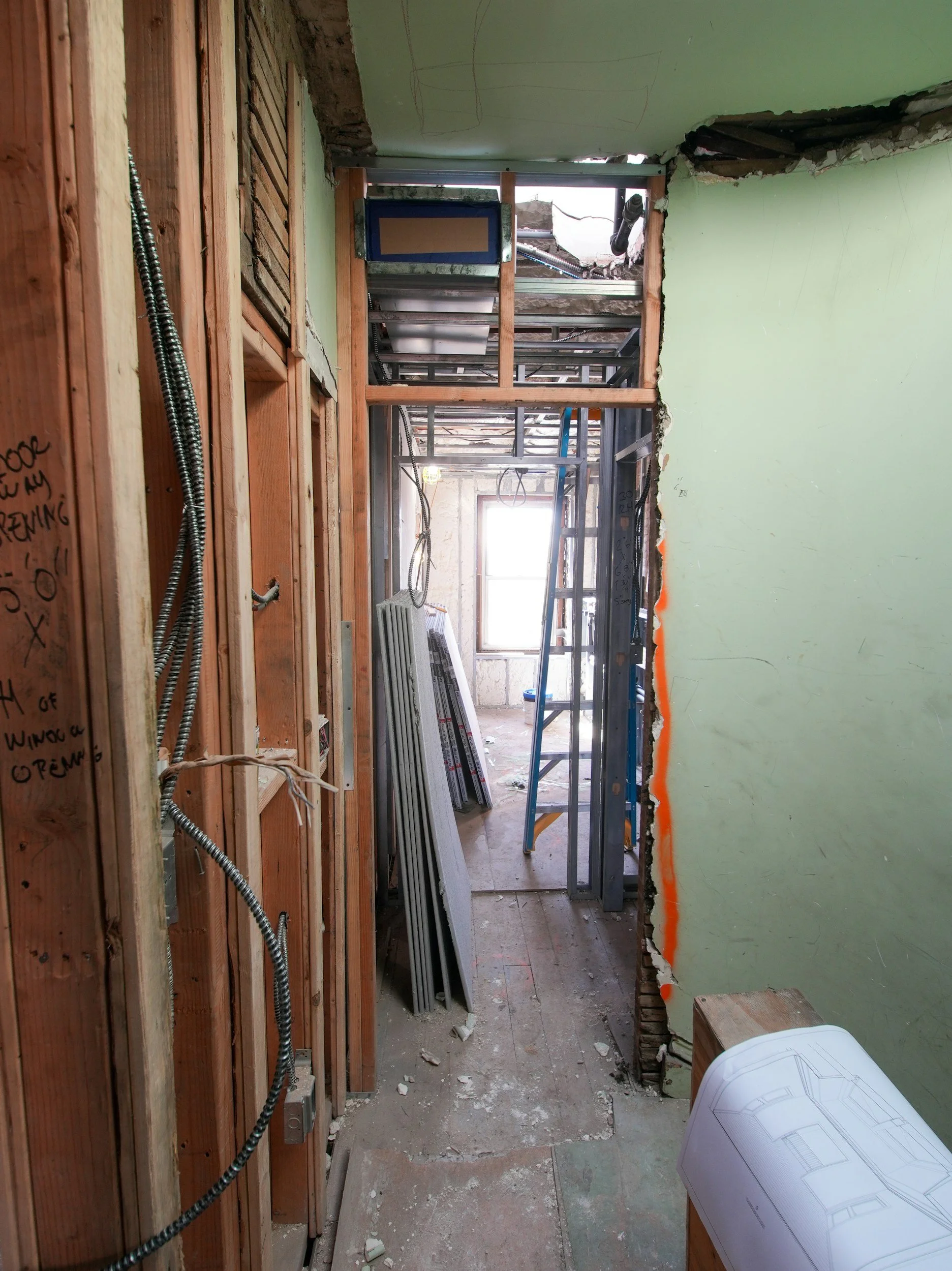
A whole-home rewire is one of the best long-term upgrades you can make to your house. It improves safety, increases electrical capacity for modern living, and helps prevent nuisance issues like flickering lights, tripping breakers, and overheating wiring. It’s also a project that deserves careful planning—because once the walls are open, the decisions you make will impact your home for decades.
Safety and Code Compliance Come First
Older homes often have wiring that wasn’t designed for today’s electrical demands. A rewire is your opportunity to correct unsafe conditions (aging insulation, undersized conductors, ungrounded circuits, overloaded panels) and bring your system up to current electrical code requirements. Proper grounding, bonding, and breaker protection aren’t optional—they’re what keep your family and property safe.
Plan for the Way You Actually Use Your Home
A rewire isn’t just replacing wire—it’s redesigning power where you need it. Think through:
Where you wish you had outlets (nightstands, desks, garage workbench, kitchen counters)
High-demand appliances and equipment (HVAC, range, microwave, fridge, washer/dryer)
Outdoor power needs (patio, landscape lighting, holiday lights, workshop, pool equipment)
Lighting layouts (recessed, under-cabinet, accent lighting, dimmers)
A good plan reduces future extension cords, power strips, and “I wish we had…” moments.
Make Room for Future Upgrades
Even if you don’t need them today, many homeowners benefit from wiring that’s ready for:
EV charger installation
Generator or transfer switch
Home battery / solar integration
Hot tub, pool, or shop equipment
Smart home controls, cameras, or networking
Adding the right circuits and capacity now is usually far less expensive than retrofitting later.
Understand Access and Timeline Expectations
Whole-home rewires often require opening walls, accessing attic and crawl spaces, and temporarily turning off power to portions of the home. Depending on the home’s layout and scope, some homeowners choose to:
Rewire in phases
Combine the project with remodeling
Schedule work to reduce disruption (especially for kitchens, offices, or bedrooms)
Clear expectations upfront make the project smoother and less stressful.
The Panel Matters as Much as the Wiring
If your panel is undersized or outdated, a rewire may be the right time to upgrade your service and distribution. A modern panel with proper labeling, capacity, and protection helps the entire system perform better—and makes troubleshooting or future additions much easier.
Quality Work Shows Up in the Details
When comparing electricians, ask about the “finish” items that separate a basic install from a professional one:
Clean, organized routing and support of wiring
Proper circuit labeling and documentation
Load balancing and dedicated circuits where needed
GFCI/AFCI protections where required
Testing and verification before closeout
These details directly affect reliability, safety, and future serviceability.
Closeout Should Include Testing and a Walkthrough
At the end of a rewire, you should know what was installed and why. A proper closeout includes:
Breaker/circuit labeling you can actually understand
Testing of outlets, lighting, and major circuits
A quick walkthrough of key shutoffs, panels, and recommendations
A clean work area and a clear “what’s next” plan if any repairs (drywall, paint) remain
Ready to Rewire With Confidence?
If you’re considering a whole-home rewire, Pro Power Electric can help you evaluate your current system, scope the project, and build a plan that fits your home and your goals—safely, cleanly, and up to code. Contact us today to schedule an in-home assessment and get a clear quote for your rewire project.